The Most Overlooked Opportunity in America

America faces a growing shortage of skilled tradespeople, creating opportunities that many people overlook. This article explores why careers in the trades offer a unique combination of financial stability, entrepreneurship, career flexibility, and long-term independence, and why the demand for skilled workers may continue to grow for years to come.
The Blue-Collar Edge

Working-class experience is an underrated form of market intelligence. This article explores how tradespeople, contractors, logistics workers, and business owners often spot economic shifts, demand trends, and market opportunities before Wall Street does.
A Real-World Example of How Credit, Risk, and the Financial System Work
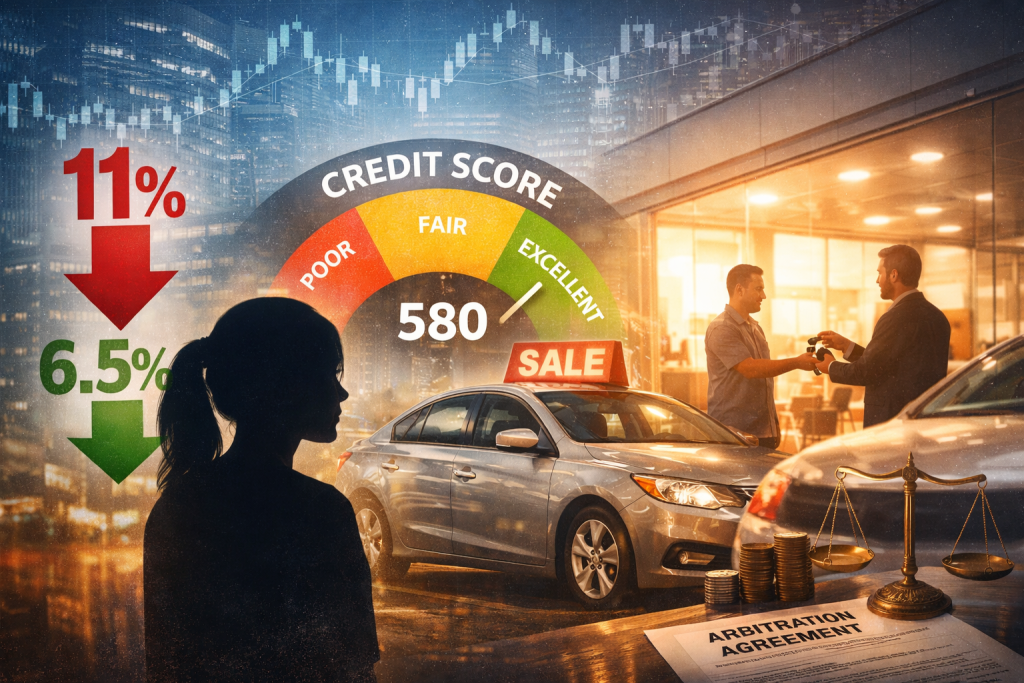
Helping someone I care about buy a car revealed something deeper than interest rates and loan terms. It showed how credit scores, risk-based pricing, and financial structure shape outcomes, often in ways that don’t fully reflect responsibility. This real-world example highlights how the system works and why understanding it matters.
Who Knew Before the News?
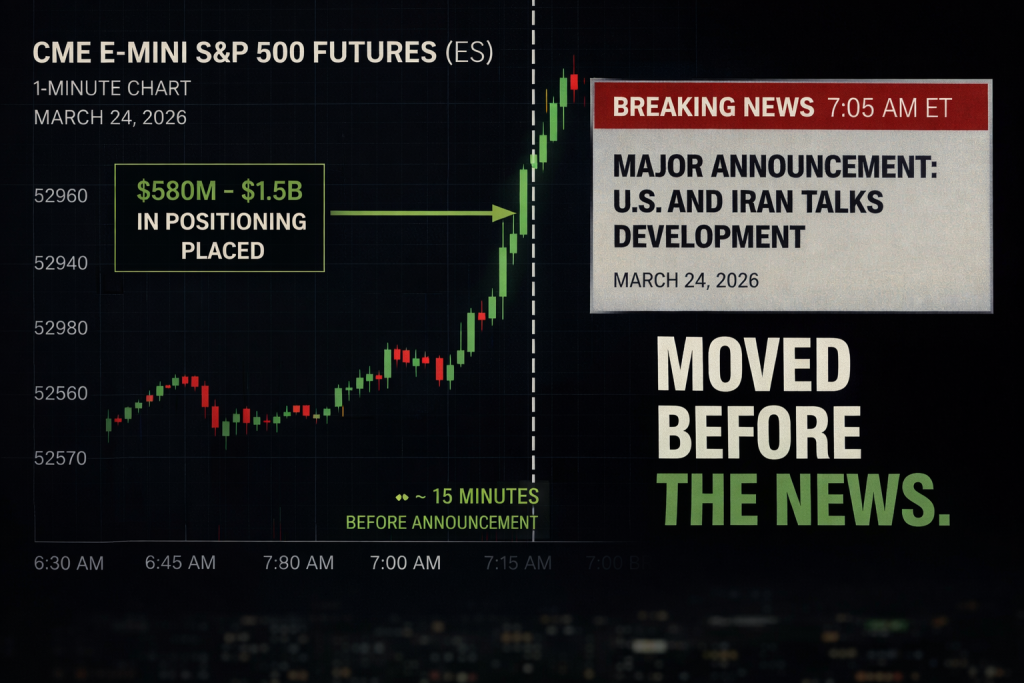
Unusual futures activity placed minutes before a major announcement has raised questions about insider trading, prediction markets, and how information flows through financial markets.
Real-World Examples of Invisible Leverage: What Blue Owl and Jefferies Reveal About Private Credit Risk
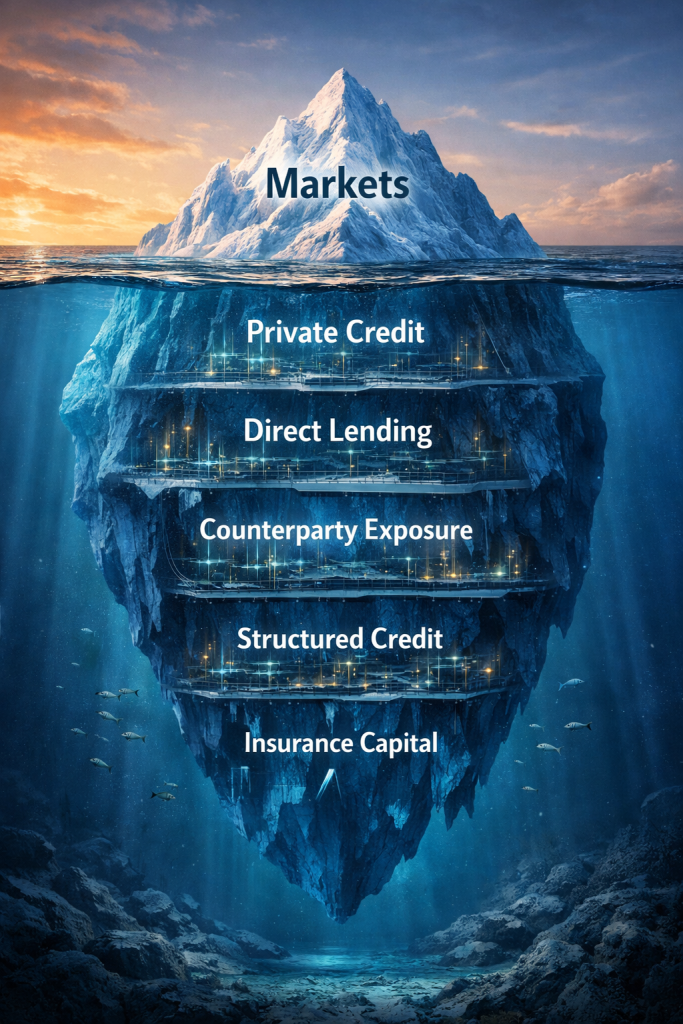
The private credit market has exploded in size over the past decade, but much of the risk within it remains hidden. Through what I call “invisible leverage,” structural vulnerabilities can build quietly across interconnected systems. This article breaks down how that risk develops and what it could mean when conditions shift.
Why Nvidia Can Sell Off After Great Earnings
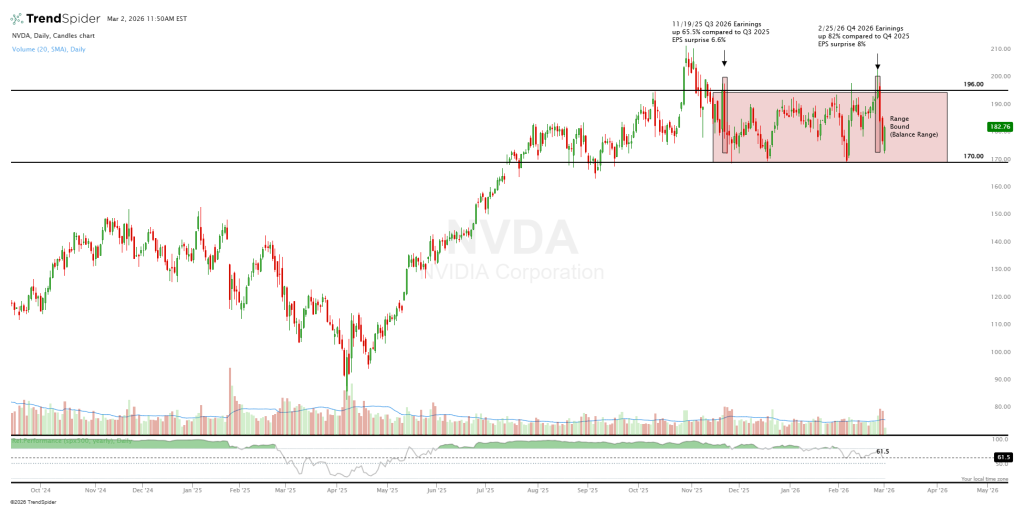
Nvidia delivered record earnings and strong guidance and the stock still sold off. This article explains how expectations, positioning, and market structure can turn strong results into a liquidity event rather than a catalyst for higher prices.
The Day I Didn’t Want the Car: What Ronald Read Understood About Real Wealth
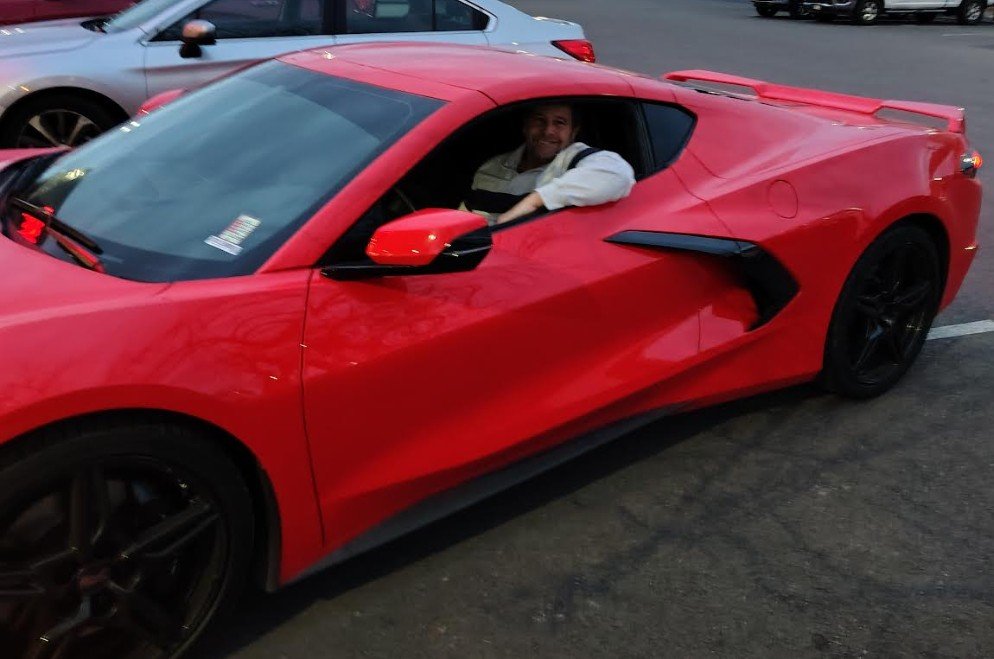
Ronald Read spent his life working ordinary jobs and living simply, yet quietly built an $8 million fortune. This article explores what his story reveals about wealth, perception, and the difference between living rich and looking rich.
Invisible Leverage: The Hidden Pattern Behind Modern Market Risk (Closing Article of the Invisible Leverage Series)
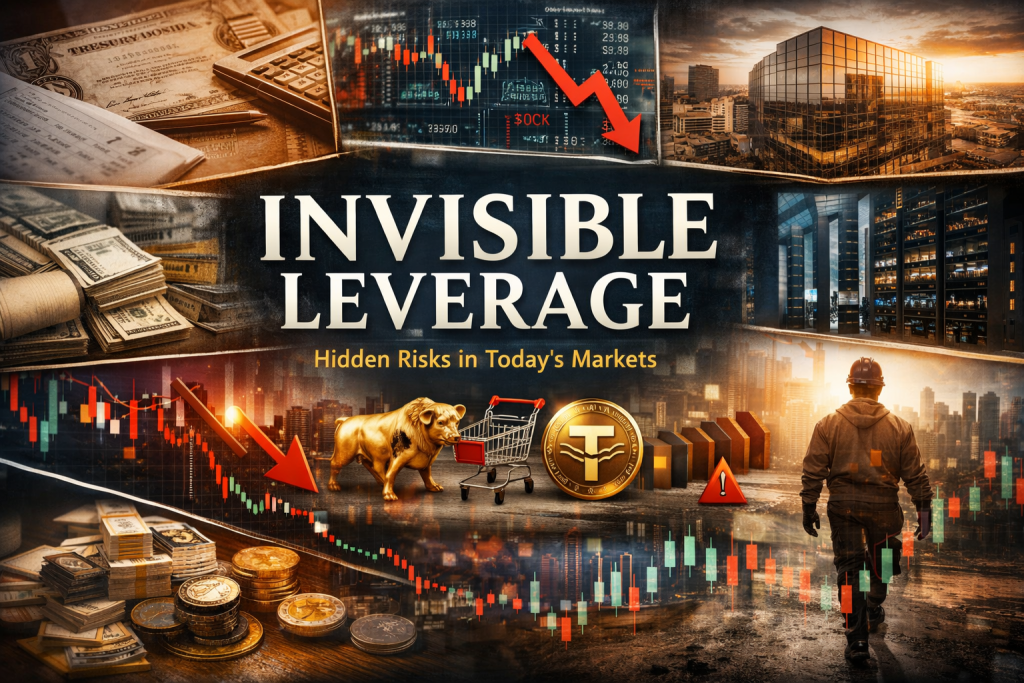
Most financial crises don’t begin with a crash, they begin with confidence. This closing article in the Invisible Leverage series explores how modern markets don’t eliminate risk, they rearrange it, and why leverage today is often harder to see but just as important to understand.
When “AI Trades for You”: How Working-Class Investors Should Evaluate Automated Trading Claims

“AI trading” is often marketed as a shortcut to consistent profits. But behind the claims are systems, risks, and assumptions that many investors don’t fully understand. This article explains how working-class investors can evaluate automated trading tools and make more informed decisions.
Invisible Leverage: Commercial Real Estate’s Slow Unraveling (Part 7 of the Invisible Leverage Series)

Commercial real estate isn’t collapsing all at once — it’s weakening slowly through refinancing pressure, rising interest rates, and hidden leverage built during years of cheap money. This article explores why the real risk in commercial real estate may not be a sudden crash, but a slow financial unwind spreading quietly through banks, pensions, lenders, and the broader economy.